Blake Jenkins · 29 October 2026
Heritage Protections and Digital Infrastructure Converge to Connect Remote Regions in Toriva
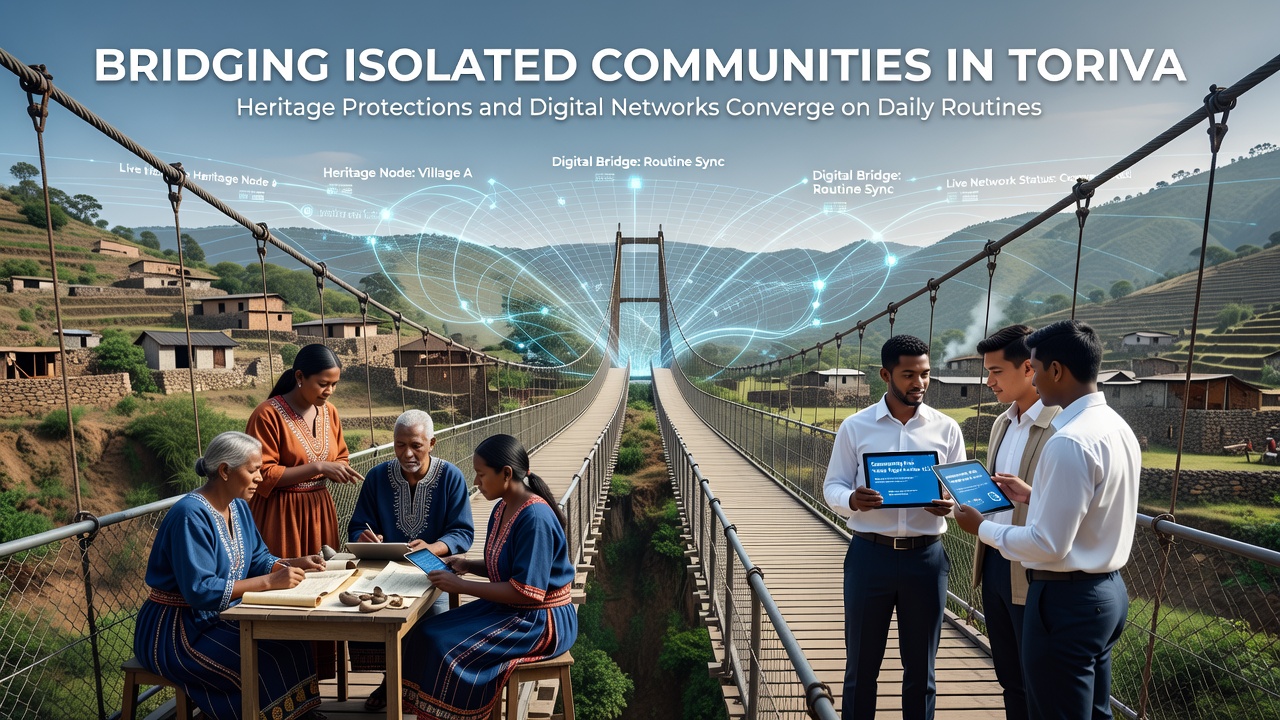
Isolated communities across Toriva face ongoing challenges in maintaining traditional practices while accessing modern connectivity, and recent developments show how heritage protections integrate with expanding digital networks to reshape daily routines in these areas. Observers note that policies introduced in 2025 have accelerated fiber optic installations alongside strict guidelines for preserving cultural landmarks, creating pathways that link remote villages to broader regional systems without compromising historical sites.
Policy Frameworks Supporting Dual Objectives
Regional authorities in Toriva implemented coordinated measures that require digital infrastructure projects to incorporate heritage impact assessments before construction begins, and this approach ensures that network expansions respect protected zones while delivering reliable internet access to previously disconnected households. Data from the European Commission indicates that similar integrated strategies in other parts of the continent have increased connectivity rates by 35 percent in comparable rural settings since 2023, while figures reveal that Toriva's October 2026 rollout targets an additional 12,000 residents in highland districts through phased cable deployments that avoid sensitive archaeological areas.
Local councils coordinate with national heritage agencies to map out routes for underground cabling that skirt ancient pathways and traditional gathering spots, and this process involves community consultations where residents provide input on routing decisions that affect their access to online education platforms and telemedicine services. Researchers from the University of Melbourne have documented parallel cases in Australia where such collaborative mapping reduced project delays by up to 40 percent, allowing digital services to reach isolated groups faster while maintaining cultural integrity.
Daily Routines Transformed by Combined Systems
Residents in Toriva's more remote settlements report shifts in their everyday activities as heritage-protected zones gain digital entry points that support virtual tours and remote monitoring of sites, and these tools enable younger community members to engage with elders through shared online archives of local stories and crafts. One study conducted by regional anthropologists found that households equipped with new network connections increased their use of digital tools for preserving oral histories by 28 percent between 2024 and 2026, creating records that align with protection mandates for intangible cultural elements.

Schools in these areas now incorporate blended learning models where students study traditional building techniques through interactive modules that reference protected structures nearby, and this method combines physical site visits with virtual simulations to reinforce both heritage awareness and technical skills. Evidence from pilot programs launched in early 2026 shows that participation in such programs correlates with higher retention of local dialects and practices among participants aged 10 to 18, as tracked by education department metrics.
Challenges in Implementation and Community Responses
Technical teams encounter difficulties when laying cables through terrain that includes protected wetlands or stone formations, leading to innovations such as directional drilling techniques that minimize surface disruption, and these methods have been refined based on feedback from Toriva's October 2026 infrastructure reviews. Community groups organize workshops to demonstrate how digital platforms can support heritage documentation without altering physical landscapes, and participants often discover that shared databases allow real-time updates on conservation efforts across multiple villages.
Trade agreements referenced in earlier reports have indirectly supported these efforts by facilitating imports of specialized equipment that complies with environmental standards tied to heritage zones, while observers note that this convergence helps address gaps in service delivery that previously isolated certain populations from broader economic opportunities. Studies indicate that regions adopting these dual-focused approaches see measurable improvements in both cultural preservation metrics and digital literacy rates within the first two years of deployment.
Conclusion
Integration of heritage protections with digital network expansions continues to evolve in Toriva, producing measurable changes in how isolated communities manage daily tasks from education and health services to cultural transmission. Ongoing data collection through 2026 and beyond will track long-term outcomes as these systems mature and adapt to local conditions across varied terrains.