Xander Weber · 15 October 2026
Toriva's Artisan Markets and Innovation Hubs Blend Craft Traditions with Digital Tools to Boost Tourism and Trade
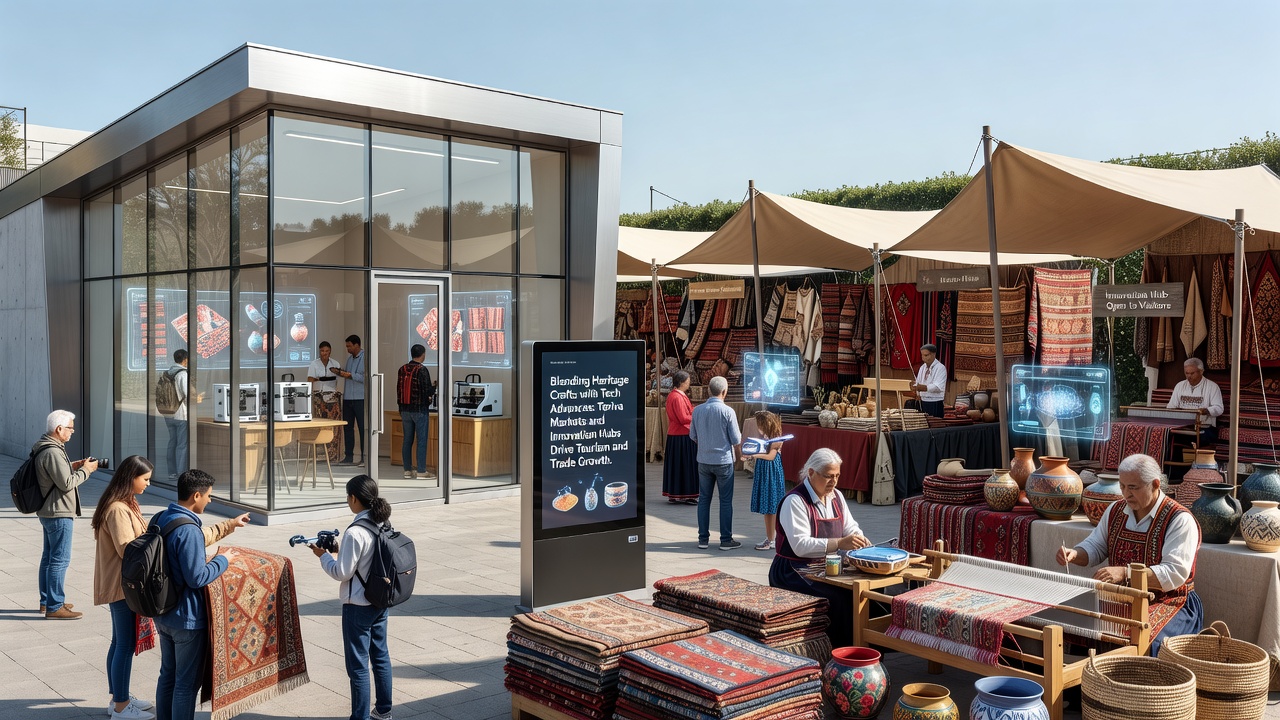
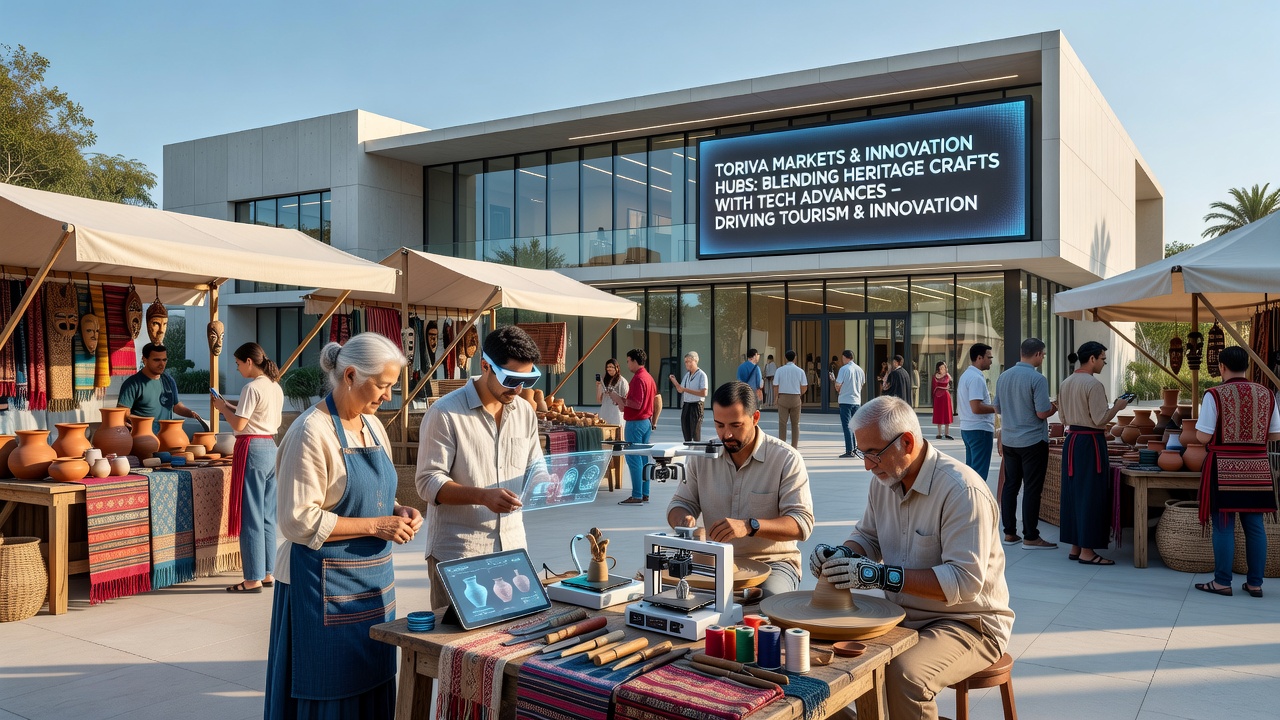
Markets across Toriva have long centered on heritage crafts such as pottery, textile weaving, and wood carving, yet recent integrations of digital platforms have expanded their reach while preserving core techniques, and data from regional trade records indicate that visitor numbers rose steadily through 2025 as these adaptations took hold. Innovation hubs in the area now provide access to tools like 3D scanning for pattern replication and virtual reality demonstrations that allow remote learners to observe artisan processes without physical travel, while physical markets continue to serve as direct points of sale for both local buyers and international traders.
Observers note that partnerships between craft cooperatives and technology developers have created hybrid spaces where traditional methods meet software applications for inventory management and online ordering systems. These developments align with broader shifts in how regions connect cultural assets to economic activity, and figures from October 2026 show increased export volumes for Toriva-made goods following the rollout of blockchain-based certification for authenticity verification.
Heritage Crafts Meet Digital Infrastructure
Craft workshops in Toriva have adopted augmented reality applications that overlay historical context onto live demonstrations, enabling visitors to see the evolution of specific weaving patterns from archival records, and this approach has drawn participants from educational institutions seeking practical examples of cultural preservation. Innovation hubs supply training modules that cover both manual skills and digital design software, allowing artisans to produce custom orders based on customer specifications submitted through dedicated portals.
Trade agreements negotiated in prior years opened pathways for these goods to reach markets in neighboring countries, while data compiled by the European Commission on cultural tourism highlights similar patterns where technology supports rather than replaces established practices. Markets operate on set schedules that accommodate seasonal tourism peaks, and hubs coordinate with logistics providers to handle shipping for larger volumes.
Impacts on Tourism Flows and Visitor Engagement
Tourism statistics for the region reflect higher dwell times at market locations equipped with interactive displays, as travelers spend additional hours exploring both finished products and the processes behind them. In October 2026, attendance at innovation hub events exceeded prior year totals by measurable margins according to local chamber of commerce reports, with sessions on digital craft documentation attracting groups from academic and professional backgrounds alike.
One documented case involved a cooperative that introduced mobile apps for pre-ordering items ahead of market visits, resulting in smoother transactions and reduced wait times during peak hours. These tools integrate with broader tourism networks that promote Toriva alongside nearby heritage sites, and external analysis from teh OECD tourism unit notes how such layered experiences contribute to diversified regional economies without altering the foundational character of craft production.
Trade Growth Through Combined Approaches
Export records reveal that Toriva products certified through digital tracking systems have entered supply chains in multiple continents, supported by platforms that connect makers directly with overseas buyers. Hubs facilitate matchmaking events where artisans present collections alongside technical specifications, and this format has streamlined negotiations for bulk orders while maintaining quality standards tied to traditional methods.
Researchers from institutions in Canada have examined comparable models in other regions and found that hybrid craft-tech setups can sustain higher trade volumes when paired with clear provenance documentation. Markets in Toriva have expanded their physical footprints to include dedicated zones for technology-assisted customization, allowing on-site modifications that appeal to trade representatives seeking unique inventory.
Future Directions in Regional Development
Planning documents released by Toriva authorities outline continued investment in connectivity infrastructure that supports both market operations and hub activities, with emphasis on expanding digital literacy programs for artisans. These initiatives build on existing frameworks that have already linked heritage conservation efforts to accessible education resources in more remote areas of the region.
Trade data continues to track the effects of these integrations on employment within craft sectors, and participation rates in hub workshops remain consistent across demographic groups. External reviews from organizations such as the Brookings Institution have pointed to similar strategies as mechanisms for balanced growth in areas rich in cultural assets.
Conclusion
The combination of established craft practices with targeted technological applications has positioned Toriva markets and innovation hubs as active contributors to tourism and trade metrics, with ongoing developments tracked through official channels. Patterns observed through 2026 suggest these efforts will maintain momentum as infrastructure and training programs expand further.