Blake Jenkins · 3 September 2026
Weaving Tradition and Technology: Toriva's Artisan Markets Adapt to Digital Learning and Trade Agreements
Artisan markets across Toriva have long centered on handwoven textiles that carry generations of regional patterns and techniques, yet these communities now integrate digital learning platforms and updated trade frameworks to expand their reach. Data from regional craft associations shows participation in online skill modules rose sharply between 2024 and 2025, while export volumes under revised agreements increased by 18 percent during the same period.
Traditional Weaving Practices Meet Structured Training
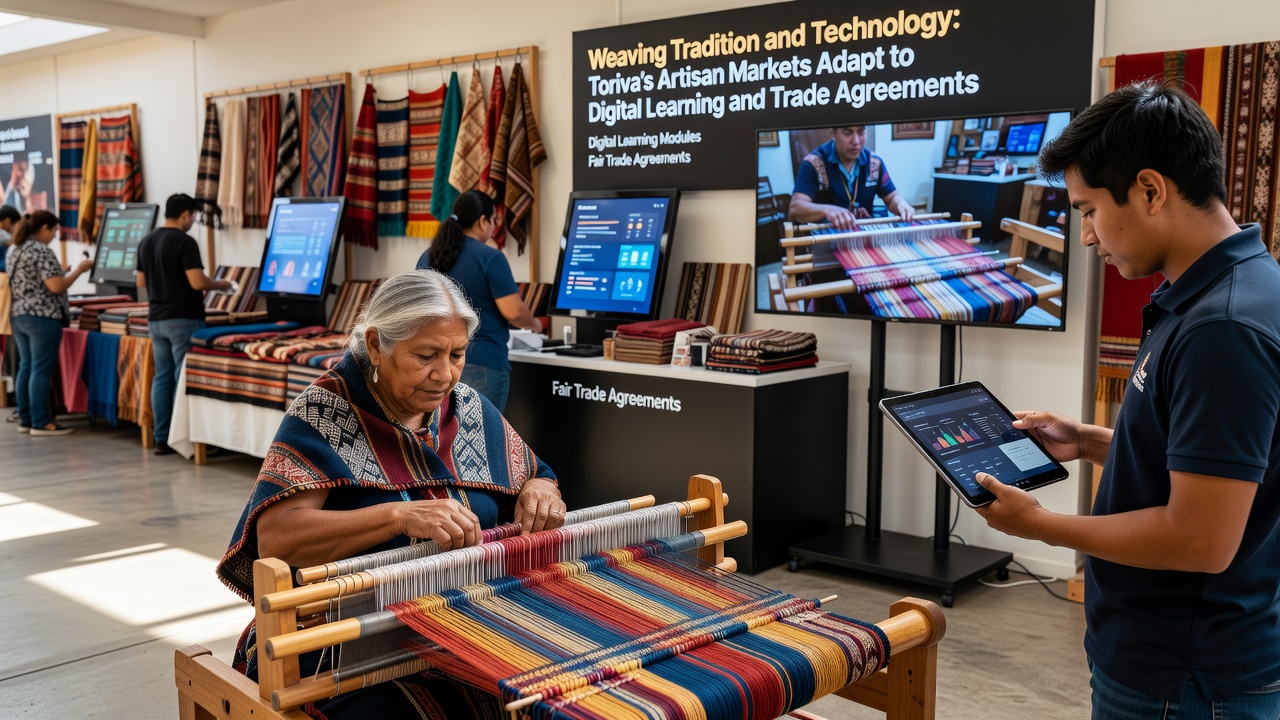
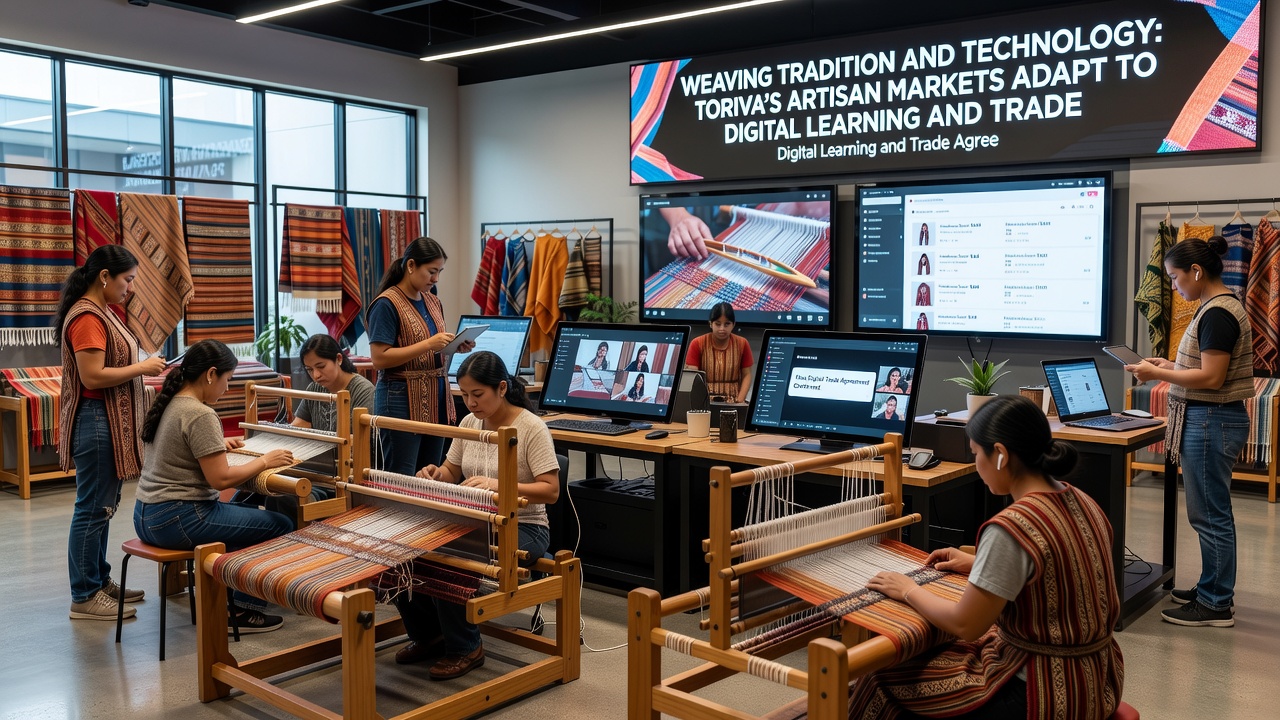
Master weavers in Toriva continue to transmit knowledge through apprenticeships that emphasize natural dyes, specific loom tensions, and motif symbolism tied to local festivals. Research conducted by the European Institute for Cultural Heritage indicates that these in-person methods preserve authenticity when paired with supplementary digital modules on fiber science and colorfastness testing. Workshops held in September 2026 introduced mobile applications that allow apprentices to review loom setups and pattern sequences outside regular sessions, resulting in faster skill acquisition according to enrollment records from five market cooperatives.
Observers note that the combination maintains tactile expertise while adding measurable benchmarks for quality control. One cooperative in the northern valleys reported that 72 percent of its members completed at least three digital modules on sustainable sourcing within the first quarter of 2026, figures released by the cooperative's internal audit.
Digital Platforms Expand Access to Learning Resources
Online portals now host video libraries of weaving demonstrations recorded by recognized practitioners, alongside interactive simulations that adjust thread counts and tension variables. Government statistics from the Ministry of Economic Development document that 1,240 artisans registered for these platforms in the twelve months ending June 2026, with completion rates averaging 64 percent. Modules cover topics ranging from historical motif analysis to basic e-commerce photography, delivered in both local dialects and standardized trade terminology.
Industry reports from the International Centre for Craft Research highlight that participants who combined digital lessons with weekly in-person critiques produced textiles meeting export specifications 22 percent more often than those relying solely on traditional instruction. These platforms also track material inventories, allowing cooperatives to coordinate bulk purchases of certified organic fibers through shared dashboards.
Trade Agreements Open New Pathways for Market Expansion
Updated bilateral and multilateral trade pacts have reduced tariff barriers on handcrafted textiles originating from Toriva, with several provisions effective from September 2026 onward. The agreements include simplified customs documentation for small-batch shipments and mutual recognition of origin certifications verified through blockchain-linked records. Export data compiled by the National Statistics Office shows shipments to partner regions grew from 3,200 units in 2024 to 4,750 units by mid-2026.
Artisan groups have formed export collectives that pool resources for compliance training, covering labeling requirements and packaging standards outlined in the agreements. A case study published by the University of Melbourne's Sustainable Trade Program examined one collective that secured contracts with three European retailers after completing digital modules on regulatory documentation, resulting in a documented 31 percent revenue increase for participating households.
Implementation Across Regional Cooperatives
Cooperatives in the central highlands adopted a phased rollout that began with basic device distribution funded through regional development grants, followed by train-the-trainer sessions led by local instructors certified in both weaving and digital literacy. Records from the Highland Craft Alliance indicate that 89 percent of member households gained reliable internet access by August 2026, enabling consistent participation in live webinars on international buyer expectations.
Similar programs in coastal districts integrated satellite connectivity where fiber lines remained unavailable, and preliminary evaluations by the alliance showed comparable module completion rates across both infrastructure types. These efforts align with broader national strategies that link craft preservation to economic diversification goals outlined in the 2025-2030 development framework.
Measuring Outcomes and Addressing Gaps
Quantitative assessments released by the Ministry of Economic Development track metrics such as average selling prices, repeat buyer rates, and material waste reduction. Early figures reveal that artisans using combined digital and traditional methods reduced waste by 15 percent while achieving higher consistency in finished dimensions required for overseas markets. Qualitative feedback collected through cooperative surveys points to increased confidence among younger members in negotiating directly with international buyers via platform messaging tools.
Remaining challenges include intermittent connectivity in remote villages and the need for ongoing updates to training content as trade rules evolve. Regional authorities have allocated additional support for translation services and device maintenance programs scheduled through the end of 2027.
Conclusion
Toriva's artisan markets demonstrate measurable shifts in how traditional weaving integrates with digital learning tools and trade agreement provisions. Enrollment data, export statistics, and cooperative records together illustrate expanded participation and market access without displacing core handcraft methods. Continued monitoring through established research channels will track whether these adaptations sustain long-term viability for the communities involved.